Manufactured stone
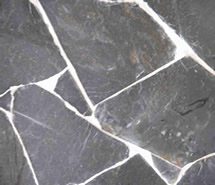
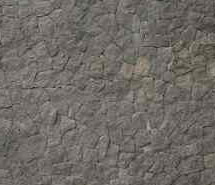
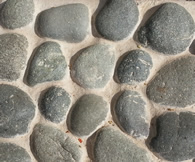
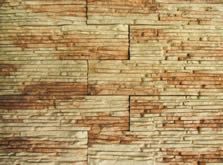
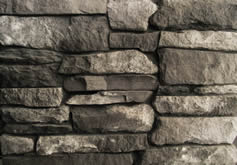
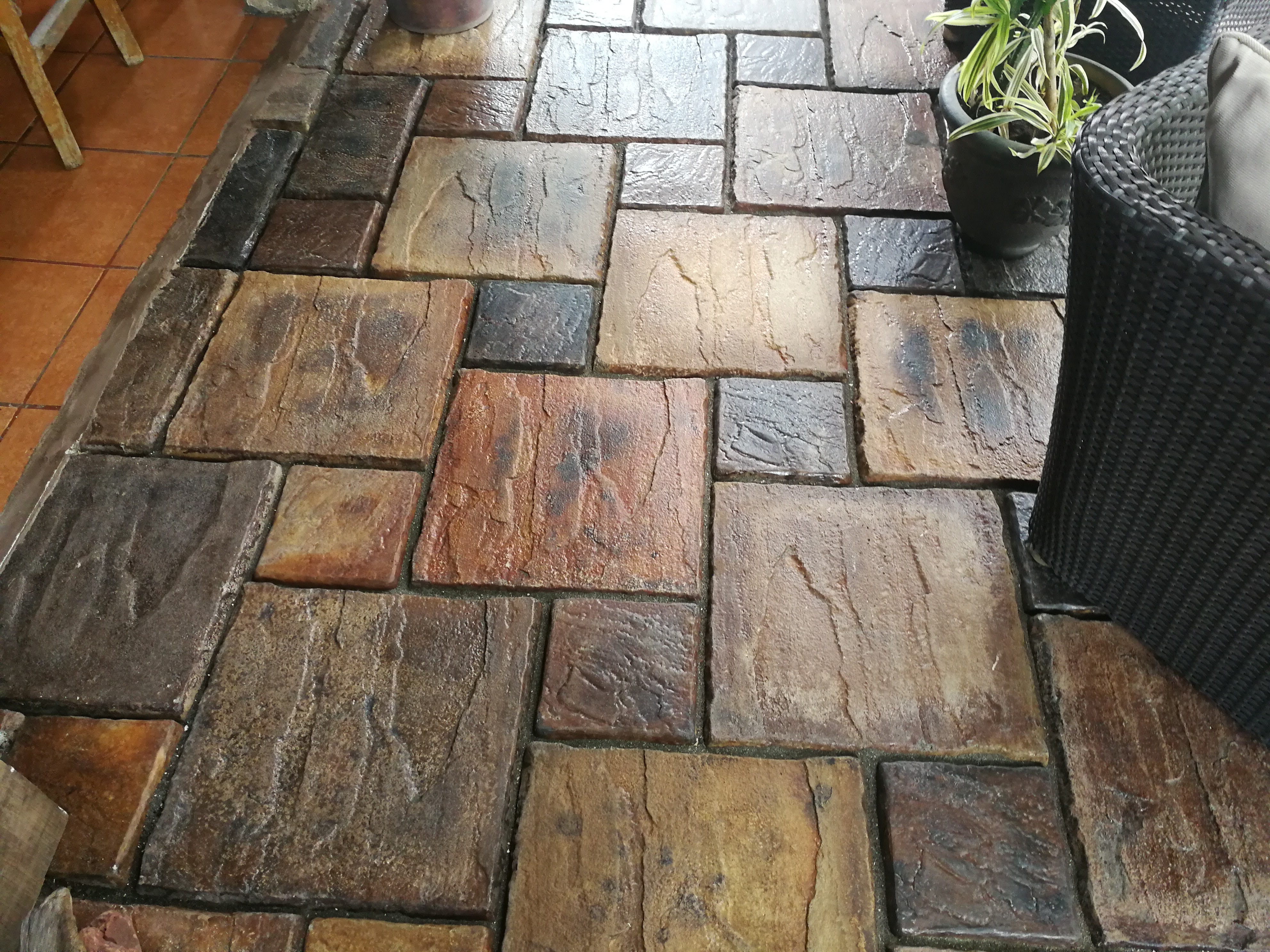
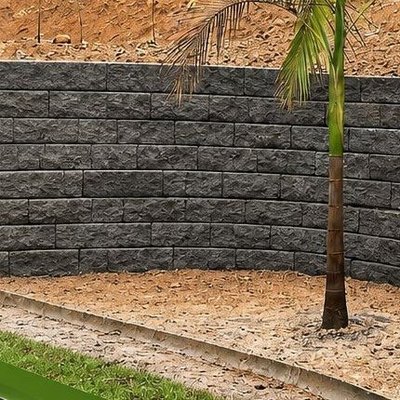
Manufactured stone veneer and architectural concrete, cast in Jacó. Matching corner pieces across every line.



Natural stone
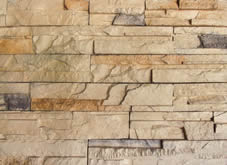
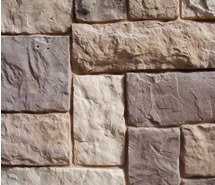
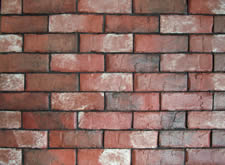
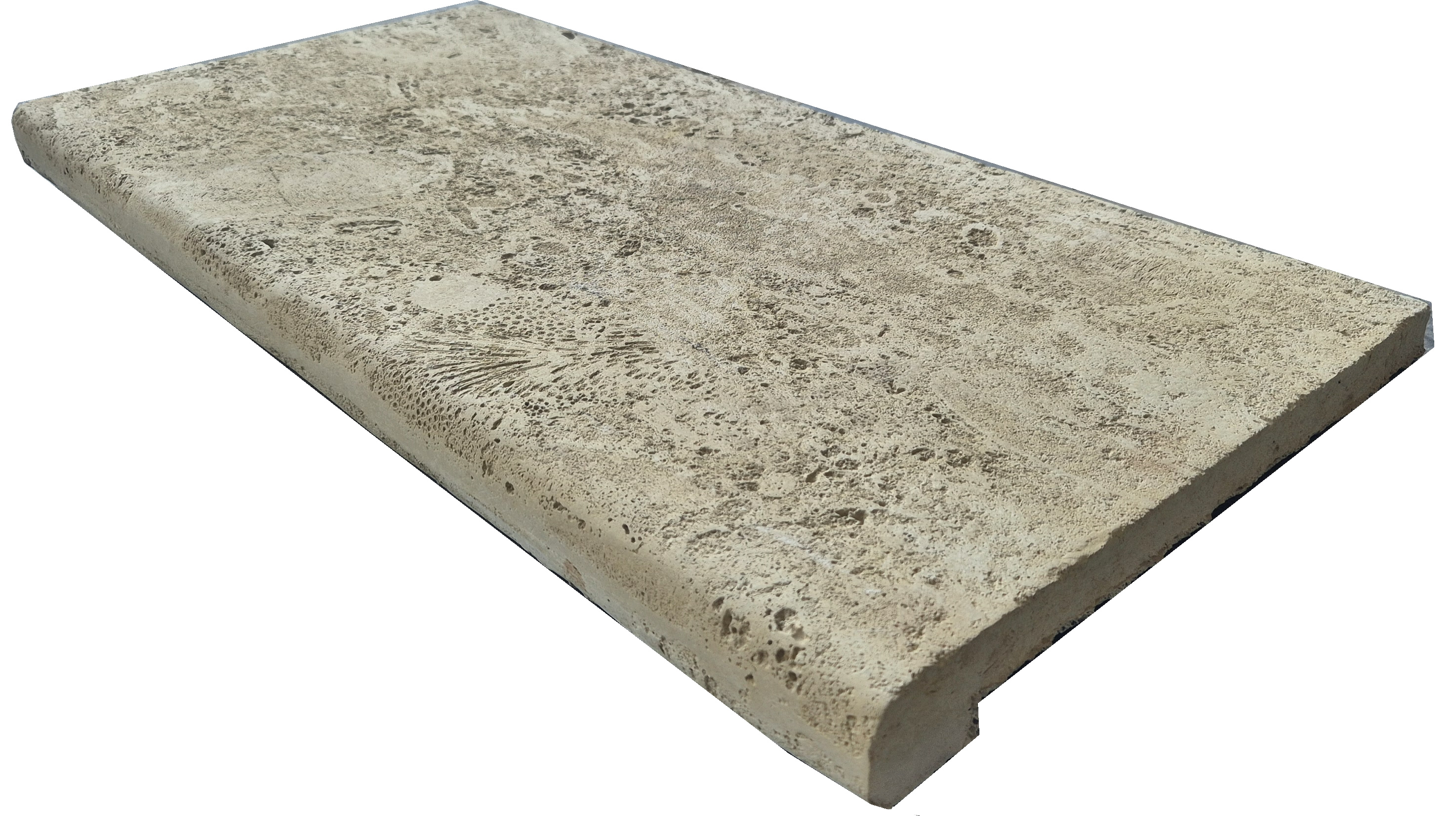
Costa Rican quarry stone cut to order: irregular, rectangular multi-use and thin veneer panels.
Manufactured stone veneer and architectural concrete, cast in Jacó. Matching corner pieces across every line.
Costa Rican quarry stone cut to order: irregular, rectangular multi-use and thin veneer panels.
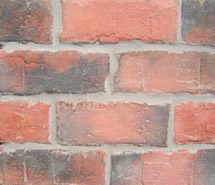
Deco Rock sells both, so there is no reason to spin this. Here is where each one genuinely wins.
One clarification first: a veneer panel is a format, not a material. Both manufactured and natural stone are available as thin veneer panels, so "panel vs natural stone" is the wrong comparison. The real one is manufactured vs natural.
Architectural concrete cast from moulds taken off real natural stones sourced from different parts of the world, reproducing their shapes, textures and colours. Moulded and precast in Costa Rica, with matching corner pieces in every line.
Stone quarried out of the ground and cut to size. In Costa Rica that mainly means Piedra Laja, Mollejón, Sánchez volcanic stone, Coralina, river stone and national marble.
In Costa Rica natural stone is genuinely cheaper upfront. That is a real cost advantage and we are not going to argue it away.
Manufactured veneer is a premium product. You pay more for control over tone, consistent supply, seamless corners and a faster install — not to save money on materials.
With natural stone, wherever two pieces meet at a corner there is always a visible seam. It is structural and unavoidable — true of marble and every other natural material.
Deco Rock casts matching corner pieces, so a wall wraps every corner as one continuous piece of stone. On columns and feature walls the result can look more convincing than real natural stone.
Every batch of natural stone out of the ground varies in colour and tone, so the material delivered may not match the reference photo. That variation is part of natural stone's organic appeal, and it is also a real drawback if you need a predictable result.
Deco Rock casts to an approved sample and can deliberately vary tone depth for realism — a level of control quarried stone cannot offer.
QuickFit, FastFit, ThinStone and FossilRock have no grout lines and arrive pre-toned and pre-set, so they go up much faster than natural stone laid piece by piece — and depend far less on the individual installer's skill.
Natural stone has genuine geological character that casting can approach but not replicate exactly. It also carries its own maintenance profile: porous stones such as coralina and mollejón need sealing and resealing.
Against repainting, both win. Repainting in this climate recurs every two to five years; cumulative repaint cost reaches the original stone install cost around year five, and by year ten stone is clearly ahead. Exposure changes those numbers a lot — on high-traffic hotel corridors and entrances the crossover comes much sooner.
Laja and mollejón have been part of the Costa Rican landscape for forty or fifty years — on buildings, sidewalks and walkways nationwide. Familiar, but with an older association.
The Deco Rock manufactured lines — the brick styles, ThinStone, IrishStone — are new to that landscape. Not competing on tradition: offering a current, design-forward alternative with its own tropical identity.
No. Natural stone is cheaper upfront here. Manufactured veneer is the premium option, chosen for tone control, consistency, seamless corners and faster installation.
Matching corner pieces. Natural stone always shows a seam where two pieces meet at a corner; a manufactured wall wraps the corner as one continuous piece with no visible break.
No — a veneer panel is a thin format, and both manufactured and natural stone come in it. The meaningful comparison is manufactured versus natural, not panel versus stone.
Both last a very long time when installed properly. Deco Rock manufactured veneer lasts a lifetime with no maintenance; porous natural stones need periodic sealing.
Both work. Our manufactured veneer has been on an oceanfront tower in Jacó since 2008 with no maintenance. Among natural stones, Piedra Laja handles humidity best.
Over time, yes — for both materials. Repainting recurs every two to five years in this climate; stone removes that cycle. The advantage appears sooner on high-exposure, high-traffic surfaces.
Cost, durability, corners, consistency and maintenance compared — by a company that both manufactures stone veneer and supplies natural stone in Costa Rica.
Tell us the wall, the exposure and the budget and we will tell you honestly which of the two suits it better.
Enter your wall measurements and it tells you the square metres, the linear metres of corner pieces and how many boxes that is.
Upload a photo of your wall and see the stone in place, carrying the light and shadow of your own photo.